January 31 always feels far away until it isn’t. W-2s and many 1099 forms have year-end deadlines that arrive quickly, and the businesses that scramble every year are almost always the ones that wait until January to start looking at their books. This year, there’s an extra reason to get ahead of it: the IRS just changed a 1099 rule that hadn’t moved since 1954.
The 1099 Threshold Just Changed for the First Time in Decades
Starting with payments made on or after January 1, 2026, the reporting threshold for Form 1099-NEC and many Form 1099-MISC payments rises from $600 to $2,000. That change comes from the One Big Beautiful Bill Act (OBBBA), and it’s the first update to that $600 threshold since it was established in 1954.
Here’s what that means in practice: payments made during 2025 and reported in early 2026 still followed the old $600 threshold. For payments made during 2026, you’ll generally only need to issue a 1099-NEC or applicable 1099-MISC when payments meet the new $2,000 threshold. The threshold is also scheduled to be adjusted for inflation after 2026.
One important thing this does not change: the income is still fully taxable to the person or business that earned it, whether or not you’re required to send them a form. A contractor who earns $1,500 from you in 2026 may not receive a 1099 from you under the new rule, but they still have to report that income. Good recordkeeping on your end matters just as much as it did before, since accurate books are your best defense if a payment is ever questioned.
The 1099-K Threshold Went the Other Direction
If you accept payments through a third-party processor like Stripe, Square, or PayPal for your business, a separate form, the 1099-K, may come into play. That threshold had been on a path toward dropping substantially, but OBBBA reversed course.
For third-party settlement organizations, the federal reporting threshold is once again more than $20,000 in reportable payments and more than 200 transactions. Keep in mind that payment processors may still issue a 1099-K below that federal threshold in certain situations, and state reporting rules can differ.
These are two separate tracks that often get confused with each other. The 1099-NEC and 1099-MISC rules generally cover qualifying payments you make directly to contractors and vendors. The 1099-K covers certain payments processed through payment cards and third-party payment networks. Knowing which one applies matters when you’re deciding what forms you need to prepare.
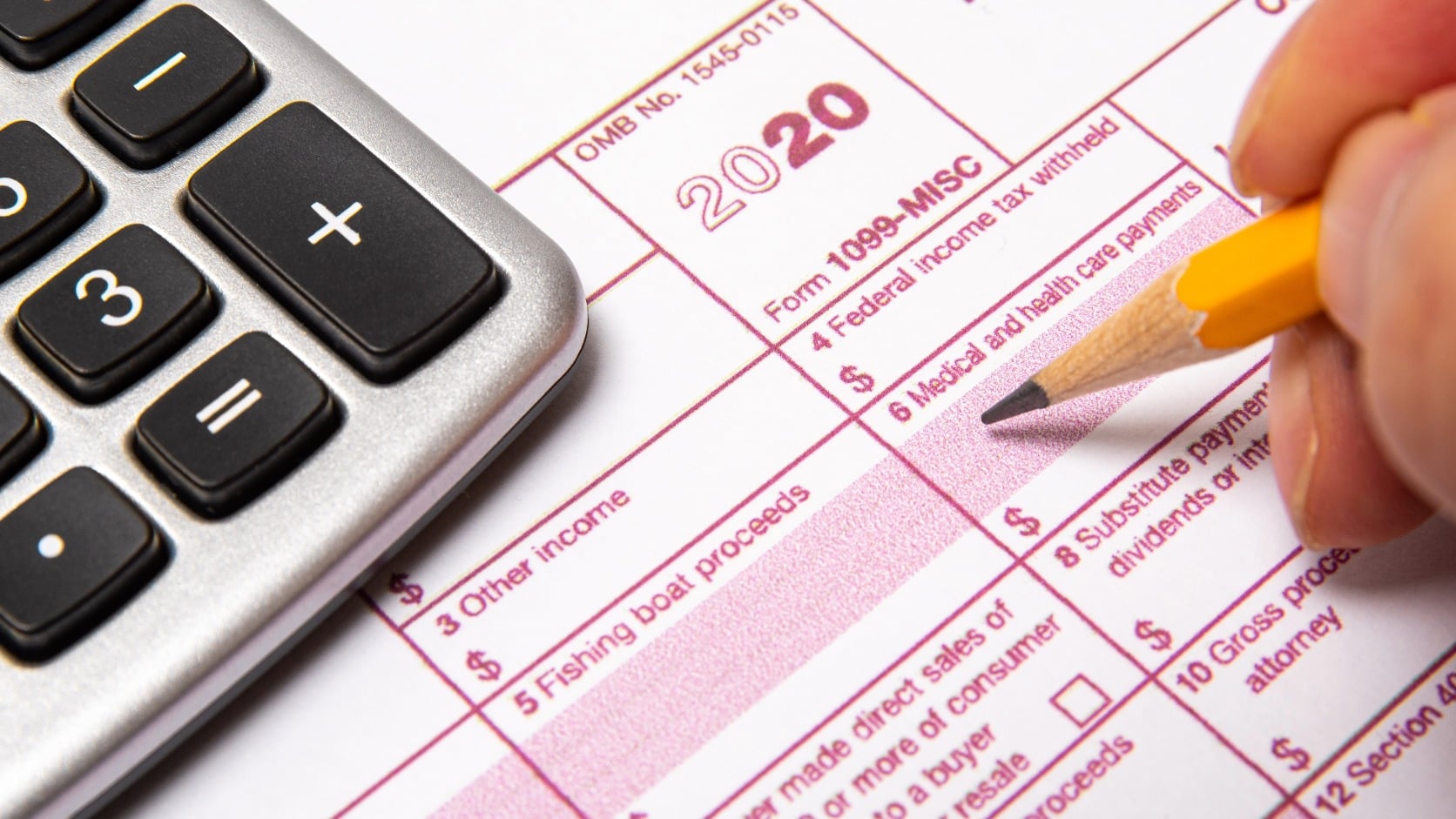
Reconcile Contractor Payments Now, Not in January
The single biggest time-saver for 1099 season is doing the reconciliation work in November and December instead of the last week of January. That means:
- Pulling a report of everyone your business paid $2,000 or more during 2026 for payments that may be subject to 1099 reporting
- Confirming you have a signed Form W-9 on file for each contractor or vendor, with a current address and the correct tax classification
- Checking that payments are categorized consistently in your books so a contractor paid across several invoices doesn’t get missed or double counted
- Flagging payments made through business credit cards and qualifying third-party payment networks, since those transactions may be reported by the payment processor rather than on your Form 1099-NEC
Doing this now gives you time to track down a missing W-9 or correct a mislabeled expense instead of discovering the gap the week the forms are due.
The 1099 vs. W-2 Question
Every fall, we get some version of the same question: is this person a contractor or an employee? It matters more than a lot of business owners realize. Misclassifying a worker can lead to back payroll taxes and penalties, along with potential Pennsylvania unemployment compensation and local earned income tax issues.
The IRS looks at several factors when determining worker classification. These generally fall into three categories: behavioral control, financial control, and the type of relationship between the business and the worker.
Behavioral control looks at how much direction the business provides over when, where, and how work gets done. Financial control considers factors such as who provides equipment, whether the worker can experience a profit or loss, and whether they’re free to work for other clients. The type of relationship considers things like contracts, employee benefits, the permanence of the relationship, and whether the work is a key part of the business.
No single factor decides the answer by itself, and classification isn’t always obvious, especially for long-term contractors who effectively work like employees.
If you have anyone on your team whose classification feels genuinely unclear, it’s worth reviewing before year-end rather than after you’ve issued the wrong form for another full year.
Get W-9s Before You Pay, Not After
The easiest way to avoid a January scramble is to make a signed W-9 part of onboarding every new contractor or vendor before the first payment goes out. Chasing down a W-9 from someone you paid eight months ago and haven’t spoken to since is far harder than asking for it upfront.
A W-9 also helps establish the vendor’s legal name, taxpayer identification number, address, and federal tax classification, all of which you’ll need when determining whether information reporting is required.
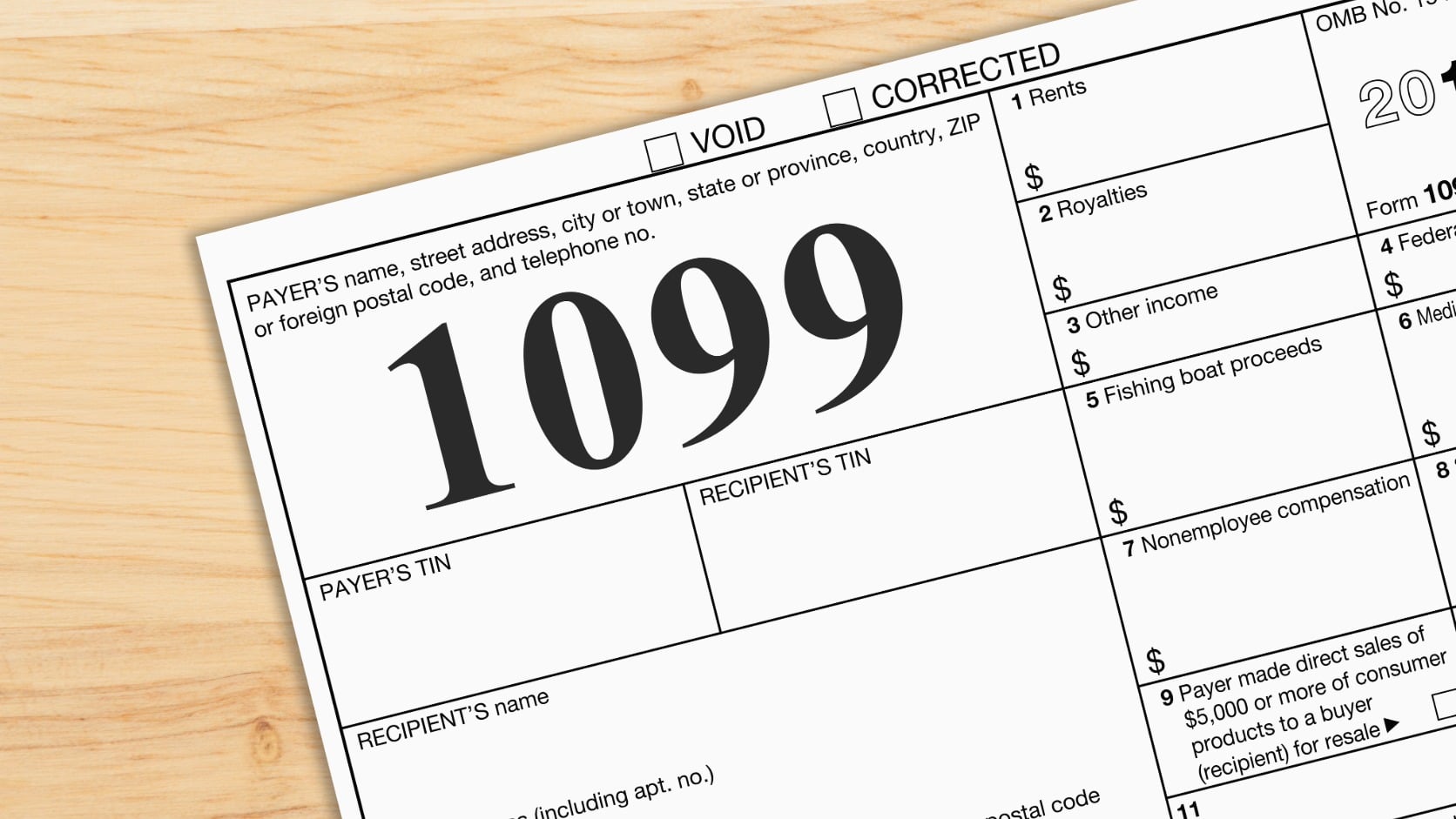
Reconcile Payroll Numbers Against Your Books
On the W-2 side, year-end is the time to make sure your payroll system’s numbers and your general ledger actually agree.
That includes confirming employee addresses are current, checking that taxable fringe benefits and reimbursements were handled correctly throughout the year, and reconciling Pennsylvania and local earned income tax withholding against what was actually remitted.
Local EIT mismatches are one of the more common cleanup items we see every January, and they’re far easier to address before year-end.
Set a Realistic Timeline
A workable schedule looks something like this: finish reconciling contractor and vendor payments by the end of November, collect any missing W-9s during the first half of December, review payroll totals against your books before Christmas, and leave January for final review and filing rather than starting from scratch.
For 2026 payments and wages, the normal January 31 deadline falls on a Sunday in 2027, so applicable W-2 and 1099-NEC deadlines move to Monday, February 1, 2027. Pennsylvania’s 1099-MISC and 1099-NEC filing requirements also generally use the January 31 deadline, subject to weekend and holiday adjustments.
Keep in mind that federal Form 1099-MISC filing deadlines can differ from Form 1099-NEC. Form 1099-MISC is generally filed with the IRS later than January 31, depending on whether the return is filed on paper or electronically.
Frequently Asked Questions
When do 1099s need to be sent out?
It depends on the form. Form 1099-NEC is generally due to both the recipient and the IRS by January 31. Because January 31, 2027 falls on a Sunday, the deadline for reporting 2026 nonemployee compensation moves to Monday, February 1, 2027.
Form 1099-MISC generally must be provided to recipients by January 31 for many types of payments, but its federal IRS filing deadline is typically later. Pennsylvania businesses can also have separate state filing requirements.
What is the new 1099 reporting threshold for 2026?
For payments made after December 31, 2025, the threshold for Form 1099-NEC and many payments reportable on Form 1099-MISC increases from $600 to $2,000. The threshold is scheduled to be adjusted for inflation for calendar years after 2026.
Do I need to send a 1099 to an LLC?
It depends on how the LLC is taxed and the type of payment being made. Single-member LLCs and partnerships may require a 1099 when reportable payments meet the applicable threshold. Businesses taxed as corporations are generally exempt from many 1099 reporting requirements, although important exceptions apply, including certain attorney and medical payments.
The safest approach is to collect a completed W-9 from every contractor and vendor before you pay them. That gives you the information needed to determine how the business is taxed and whether a 1099 is required.
What happens if I send a 1099 late?
The IRS can assess penalties for filing required information returns late. The potential penalty generally increases based on how late the form is filed, with substantially higher consequences when the IRS determines there was intentional disregard of the filing requirement.
If you discover a missed filing, addressing it quickly is generally better than leaving it unresolved.
How do I know if a worker should get a W-2 or a 1099?
Worker classification depends on the overall relationship between the business and the worker, including how much control the business has over the work, who carries the financial risk, and whether the relationship resembles ongoing employment or an independent business arrangement.
If you’re genuinely unsure, it’s worth reviewing the relationship before issuing either form. Correcting a worker classification problem after the fact can be far more complicated than getting it right from the beginning.
Why It Matters
The businesses that dread 1099 and W-2 season every year are almost always the ones doing all the reconciliation work during the last week of January. A little cleanup now can turn a stressful deadline into a routine filing.
Contact Cohick & Associates or call (717) 249-5321 and we’ll help you get your books in shape before the rush.